
Integrated Services Digital Broadcasting – Terrestrial (ISDB-T) is the Japanese standard for transmitting digital television over terrestrial broadcast networks. It offers several features and characteristics that make it suitable for delivering digital TV, multimedia services, and more. Here are some key points about ISDB-T:
- Efficient Use of Spectrum: ISDB-T allows for the transmission of a single high-definition TV (HDTV) channel or up to three standard-definition TV channels within a 6 MHz “analog TV channel.” This efficient use of spectrum helps broadcasters provide multiple services in the same bandwidth.
- Multimedia Services: In addition to television, ISDB-T supports the delivery of other multimedia services and sound broadcasting. This flexibility allows broadcasters to offer a variety of content to viewers.
- Mobile Reception: ISDB-T was designed to support mobile reception of video, audio, or data services. This feature is essential for providing content to viewers on the move, such as those using portable devices like smartphones and tablets.
- Single Frequency Networks (SFN): ISDB-T allows for the creation of Single Frequency Networks, where multiple transmitters work together to cover a larger area efficiently. SFNs help reduce interference and improve coverage.
- MPEG-2 Compression: Like many digital TV standards, ISDB-T uses MPEG-2 compression to transmit video and audio data efficiently. MPEG-2 is a widely used compression standard for digital broadcasting.
- OFDM Transmission: ISDB-T relies on Orthogonal Frequency Division Multiplexing (OFDM) for transmission. OFDM is known for its resistance to interference caused by multipath radio waves, including echoes. This makes it suitable for various environmental conditions.
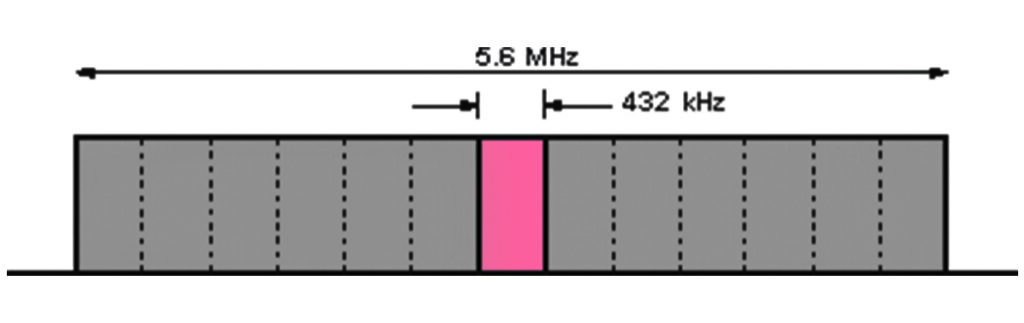
- Segmented Transmission: ISDB-T divides the transmission channel into 13 segments, each consisting of an OFDM block. This segmentation allows for more flexibility in delivering content. The central segment can be used for low data rate services specifically designed for portable receivers, such as ISDB-Tss (single segment) receivers.
- Mobile Integration: ISDB-T was designed with low-power mobile reception in mind. This feature enables the integration of single-segment receivers into mobile phones and other handheld devices, making it possible for users to receive digital TV content while on the move.
ISDB-T has been widely adopted in Japan and some other countries, and it offers a range of features to meet the needs of both stationary and mobile television viewers, as well as those interested in multimedia content and sound broadcasting services.
Thank you for providing the information about the transport capacity of ISDB-T. These data rates are crucial for understanding the capabilities of the ISDB-T standard for digital television transmission. ISDB-T’s ability to provide varying data rates within different channel bandwidths allows broadcasters to allocate resources efficiently based on the type of content being delivered and the available spectrum. This flexibility is beneficial for delivering a mix of high-definition, standard-definition, and mobile services over the airwaves.