You may already be familiar with this story, but… in the mid-1990s, Ericsson made a groundbreaking decision: after developing Bluetooth, they chose to give it away for free. Today, Bluetooth technology is integrated into over 5 billion devices every year, yet few are aware of the reasons behind Ericsson’s choice to make this revolutionary technology available without patents or royalties.
Ericsson engineers Nils Rydbeck, Johan Ullman, Jaap Haartsen, and Sven Mattisson created a pioneering wireless communication method that used radio waves in the 2.4 GHz band. The technology, designed to replace cumbersome RS-232 cables, allowed for seamless wireless connections between phones, computers, and headsets. By 1994, a functional prototype was ready, but instead of profiting from it, Ericsson opted for a collaborative approach. In 1998, they formed the Bluetooth Special Interest Group (SIG) alongside companies like Nokia, Intel, and IBM, establishing Bluetooth as a royalty-free, global standard.
While Ericsson could have made billions by keeping Bluetooth proprietary, they saw a bigger picture. The Bluetooth 5.0 market alone was valued at $3.75 billion in 2021 and is projected to reach $9.58 billion by 2030, growing at a compound annual growth rate of 11.1%. Over time, Bluetooth has evolved to include faster pairing, extended range (up to 240 meters), and improved energy efficiency. It has become integral to the Internet of Things (IoT), smart homes, and even healthcare devices.
So, why did Ericsson decide to give it away?
Their decision was not about foregoing profits, but about fostering a global ecosystem. By making Bluetooth open to the world, Ericsson enabled industries to innovate and benefit from wireless connectivity—whether it’s wearable technology, automotive systems, or smart cities. This openness helped Bluetooth become the global standard for wireless communication, connecting billions of devices across various sectors.
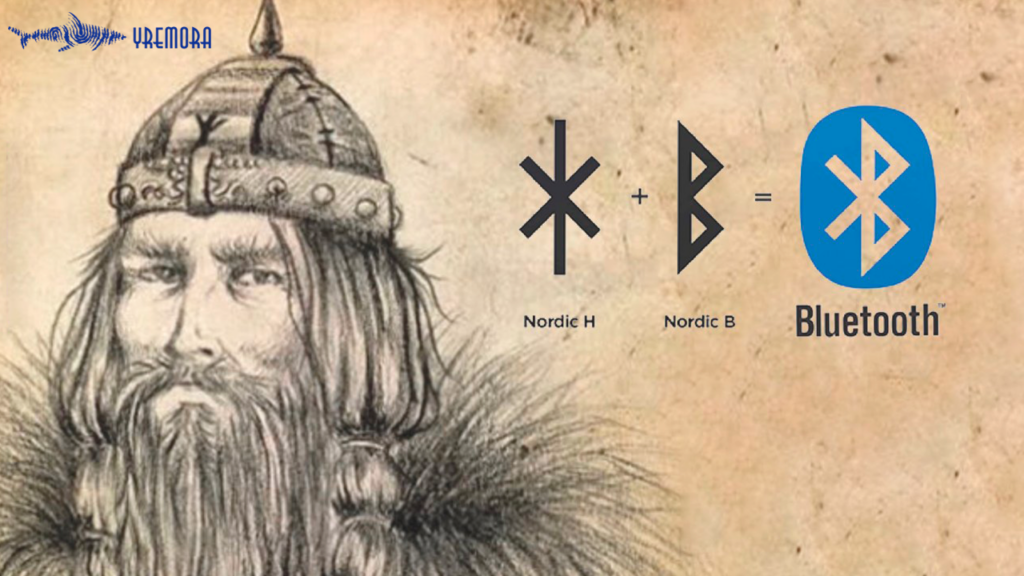
The name “Bluetooth” pays tribute to Harald “Bluetooth” Gormsson, a Viking king known for uniting Denmark and Norway. Just as King Harald brought nations together, Bluetooth now connects billions of devices. Even the Bluetooth logo reflects this history, combining runes that represent Harald’s initials.
The next time your phone pairs with wireless earbuds or your car syncs with your device, remember that it all started with Ericsson’s bold move to prioritize long-term progress over short-term profits. This decision didn’t mean missing out on billions—it meant shaping the future of global connectivity.